Henri de Toulouse-Lautrec, Suzanne ValadonSejong Museum of Art, Sejong Center
Toulouse-Lautrec & Suzanne Valadon: The Painters of Montmartre
툴루즈 로트렉 & 수잔 발라동: 몽마르트르의 화가들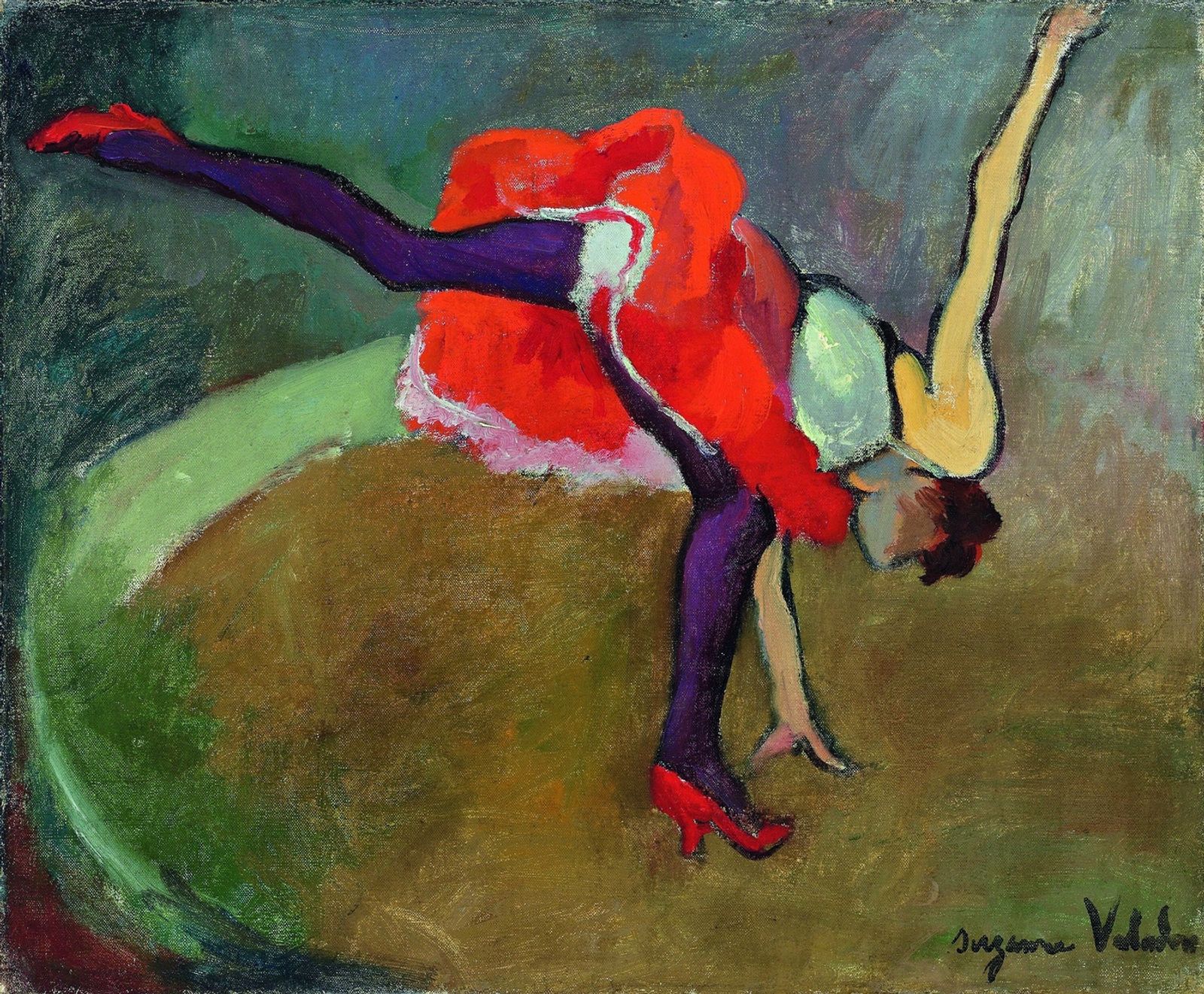
About the exhibition
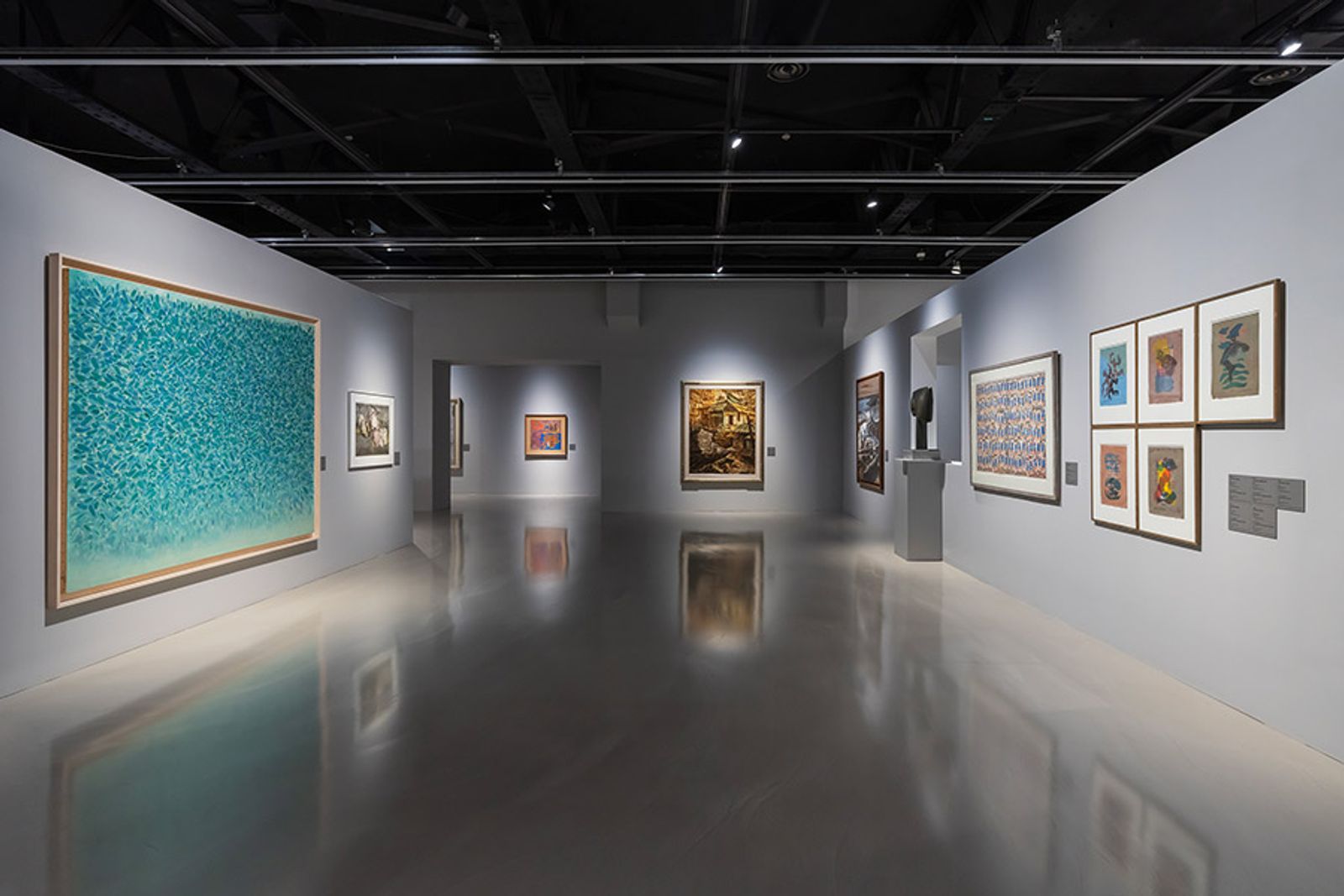
Henri de Toulouse-Lautrec and Suzanne Valadon anchor this show marking 140 years of Korea-France relations. The ticket listing counts 111 works by 31 artists and describes nine scenes. They open on the two painters meeting, visit the circus, cabarets and cafés by night and close on a new way of seeing women's bodies.
Newsis reports that Lautrec has mostly been shown in Korea through prints. Here, oils and drawings come from the Musée Toulouse-Lautrec in Albi, the artist's hometown, and Newsis calls it the first Korean showing of that collection. News1 credits to Albi an 1887 oil of Countess Adèle de Toulouse-Lautrec in a drawing room at Malromé.
News1 also credits Valadon's L'Acrobate ou La Roue (1916) to the Weisman & Michel Collection. The listing names Place Pigalle (1910) by Maurice Utrillo, lent by the Musée de Montmartre. Newsis identifies Utrillo as Valadon's son. Jules Chéret, Théophile Alexandre Steinlen and Louis Anquetin also appear.
About the artist
Henri de Toulouse-Lautrec (1864–1901) was born in Albi, the son of Count Alphonse de Toulouse-Lautrec, and moved to Paris in 1882 to study with the academic painters Bonnat and Cormon. Studies of Montmartre life began in 1885, and the Moulin Rouge paintings and poster designs date from 1892. Lautrec died at the Château de Malromé. Suzanne Valadon (1865–1938), credited by the Centre Pompidou as Marie-Clémentine Valadon, modeled for artists in Montmartre before turning to painting. The Pompidou's 2025 show credited Valadon with a "pioneering, but often underestimated, role" in the birth of modern art.
Sources: National Gallery, London: Toulouse-Lautrec · Centre Pompidou: Suzanne Valadon