Ends in 7 daysFree
KIM WhankiWhanki Museum
Whanki Museum Highlights II
환기미술관 하이라이트 II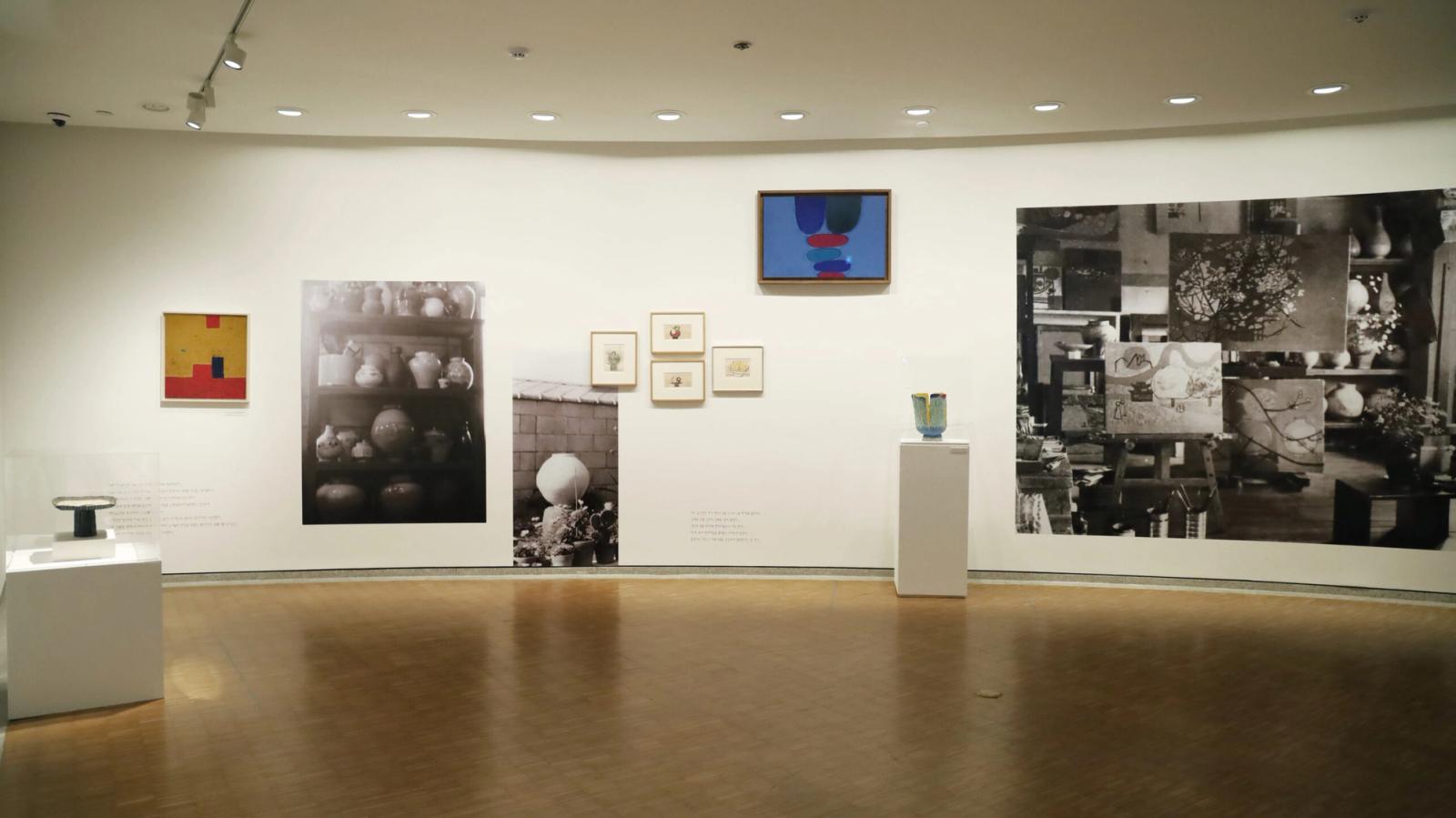
About the exhibition
This collection show centers on Kim Whanki's New York years, 1963 to 1974, partly because so much of the earlier work is gone.
In her 1988 book, Kim HyangAn recorded that most of the Tokyo-period work (1933–1937) and much from the Seoul period (1940–1956) was lost in the Korean War. The earliest surviving painting is House (1935), which came down with leaflets and postcards that document those first years. She also recalled that only in Paris and New York could Kim Whanki give himself fully to painting, and the late New York work had the best chance of being kept intact.
Kim HyangAn is also the point of view here. After his unexpected death in New York in 1974, she spent some twenty years sorting his paintings, drawings, objects, letters and photographs for the museum she founded, while organizing exhibitions and publications and supporting young artists through the foundation. The museum now holds about 2,000 artworks and documents related to him.
The show follows a taste that began with collecting wooden furniture and ceramics and grew into a new visual language. It also looks at the time, memory and care behind a museum collection.
About the artist
KIM Whanki (1913–1974) was a pioneer of Korean abstract art, according to the museum. Born in Korea and trained in Tokyo, Kim worked in Paris from 1956 to 1959 and in New York from 1963 until 1974. The museum describes the late all-over dot paintings as a meditative, poetic form of abstraction.
Sources: Whanki Museum: biography